


⚡ TL;DR: This guide equips Riverside homeowners with DIY roof inspection steps, safety tips, and checks for local threats like heat and wind to spot damage early.
📋 What You’ll Learn
In this ultimate roof inspection guide for Riverside homes, you’ll master DIY techniques to spot damage early, understand local threats like heat and wind, and prevent costly repairs before they escalate.
- Master essential tools and safety for DIY inspections to safely assess your roof without risks, using binoculars, ladders, and gear tailored for Riverside’s steep pitches and hot conditions.
- Conduct thorough exterior checks on shingles and flashing by identifying cracks, missing pieces, granule loss, and wear from sun exposure common in Riverside’s intense climate.
- Spot hidden issues in gutters, vents, and chimneys to catch clogs, rust, cracks, and blockages that lead to leaks and structural damage before they worsen.
- Identify interior red flags like attic stains through ceiling checks, mold signs, and insulation issues signaling water intrusion from Riverside’s occasional heavy rains.
- Recognize Riverside-specific threats from heat and wind including curling shingles, uplift damage, and thermal expansion indicators unique to Inland Empire weather patterns.
📖 Reading time: 8 min
✍️ Author expertise: Riverside roofing pro with 18 years of hands-on inspections and repairs on local homes.
Ever wake up to that dreaded drip-drip-drip from your ceiling after a Riverside rainstorm? Your roof's been battling scorching summers, Santa Ana winds, and those rare but brutal winter downpours, silently hiding damage that could cost you thousands.
Spotting trouble early isn't just smart—it's your ticket to dodging massive repair bills and keeping your family safe under a solid shield.
Grab your flashlight and ladder, because in this guide, we'll walk you through every critical check for Riverside homes, step by step.
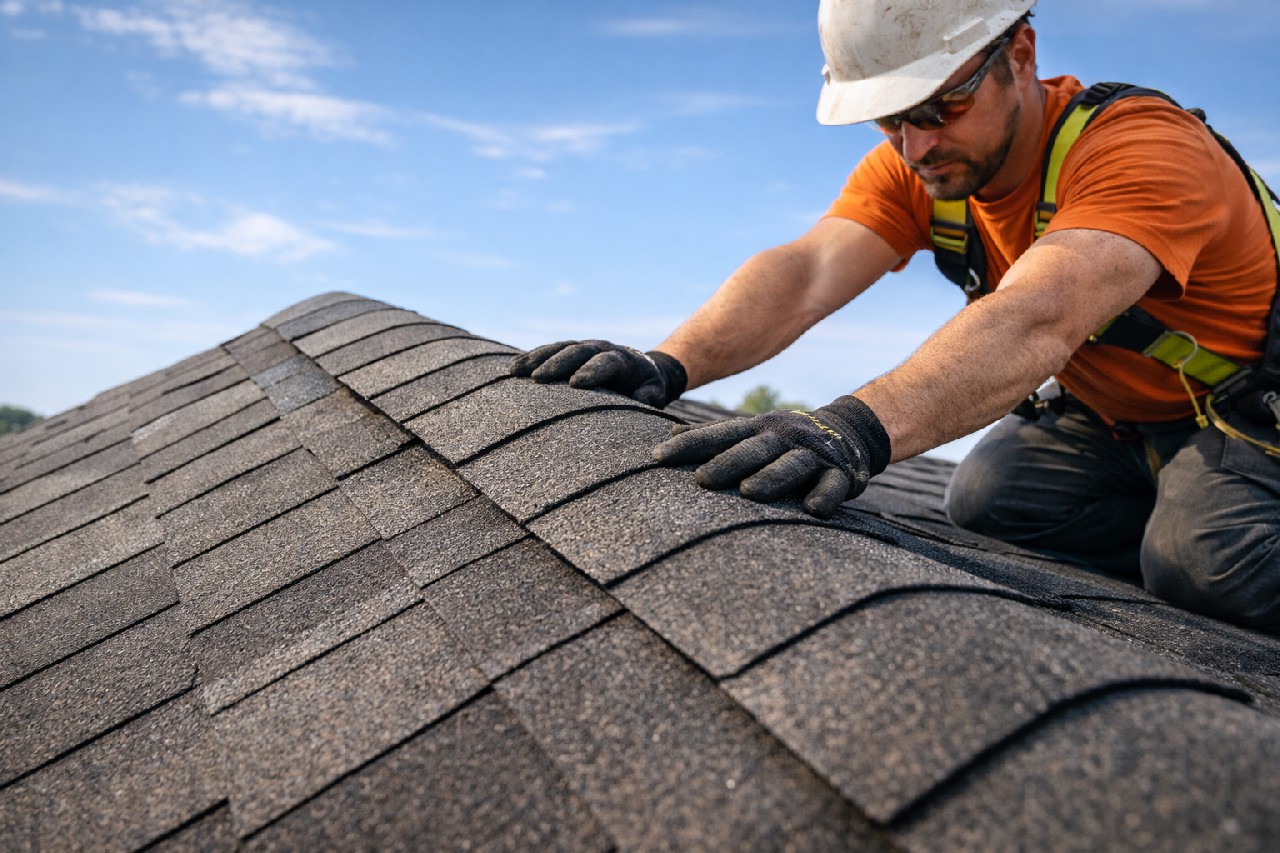
Essential Tools and Safety Tips for Your DIY Roof Inspection
Before you climb up, gear up right. Wrong tools mean missed problems or worse, a nasty fall. Stick to basics that pack real punch for spotting roof trouble fast.
Tools You Need Right Now
- Sturdy extension ladder: Pick one rated for your weight plus tools. Angle it right, 4:1 ratio keeps it secure.
- Flashlight or headlamp: Shine into dark spots under shingles or around vents.
- Binoculars: Check high peaks without risking your neck.
- Gloves and non-slip shoes: Grip shingles tight, avoid slides on slick tiles.
- Phone camera: Snap pics of damage for pros later.
Safety first, always. One slip on a hot Riverside roof turns your inspection into an ER visit. Follow these rules to stay alive and get the job done.
Non-Negotiable Safety Moves
- Have a spotter below. They yell if the ladder's shifting.
- Skip windy days or after rain. Wet roofs are death traps.
- Wear a harness if your roof's steep. Tie off to something solid.
- Never step on nails or weak spots. Test every footfall.
- Quit if dizzy or unsure. Call us pros instead.
Step-by-Step Exterior Roof Checks: Shingles, Tiles, and Flashing
Start on a dry, sunny day when Riverside's heat bakes everything into sharp view. Position your ladder at a safe angle, three feet out from the eaves for every four feet up. Use binoculars from the ground first to scan without climbing.
Shingle Inspection: Curling, Cracks, and Granule Loss
- Look for cupped or curled edges—common from our brutal sun exposure. These lift in wind and invite leaks.
- Spot bald patches where granules washed off. That's your asphalt armor gone, speeding up UV damage.
- Check for cracks, splits, or missing shingles. Count 'em—if over 10% are shot, call pros now.
Walk the roof ridge slowly if safe. Feel for soft spots underfoot; that's rot screaming for attention.
Tile and Flashing Hunt: Gaps That Kill
Clay or concrete tiles crack easy here from thermal expansion. Probe loose ones with a pry bar—gently. Missing or shifted tiles mean water's sneaking in.
- Inspect flashing at valleys, dormers, and skylights. Rust, dents, or separated seams spell disaster.
- Around chimneys and vents, seal gaps with caulk if minor. But buckled metal? Time for replacement.
Wind from Santa Anas pops flashing loose fast. Tighten or note it—don't ignore the silent killer.
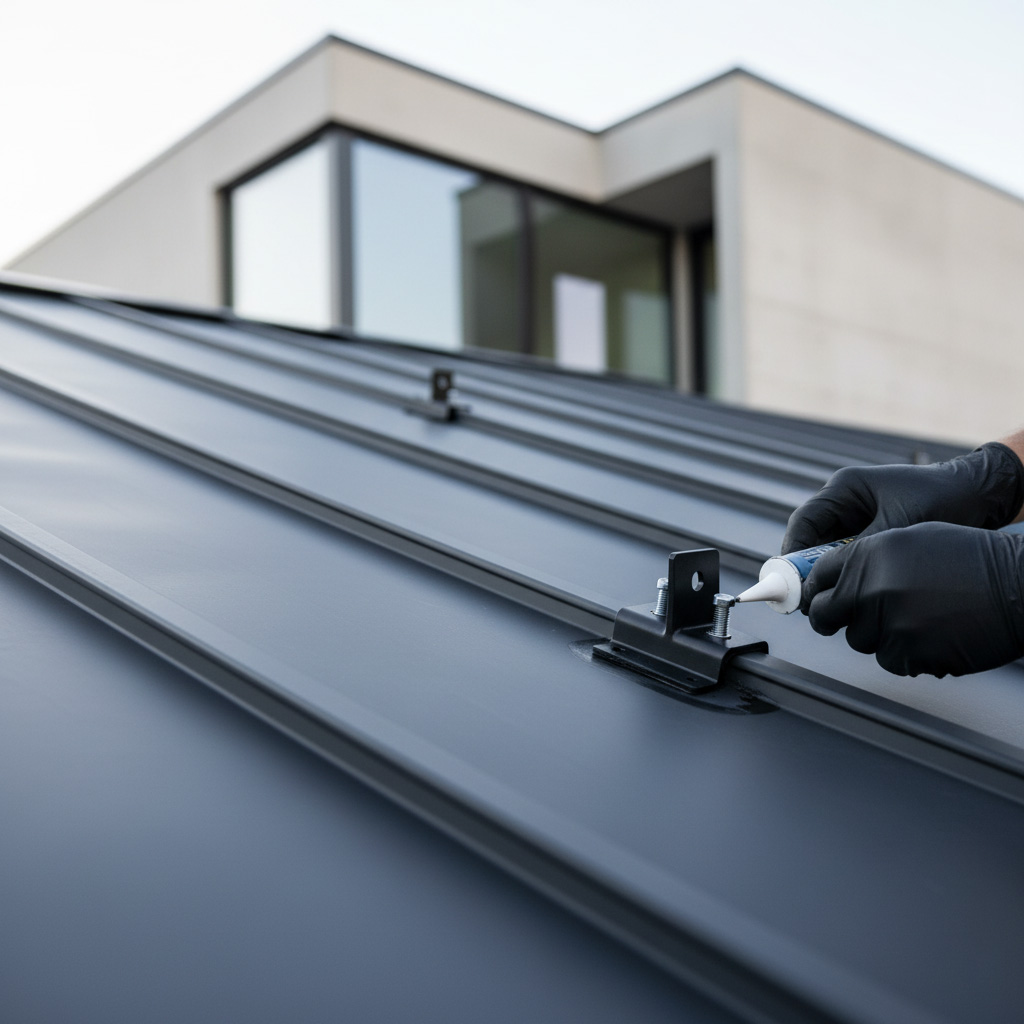
Spotting Hidden Damage: Gutters, Vents, and Chimney Inspection
Gutters First: The Silent Leak Makers
Clogged gutters turn into waterfalls that eat away at your fascia boards and rot your roof edges. Look for sagging sections or overflow stains down the sides of your house. A quick flush with your garden hose reveals if water pools instead of flowing free.
- Check seams for rust or separation.
- Probe downspouts with a plumber's snake for blockages.
- Spot white crusty buildup? That's mineral deposits from poor drainage.
Vents: Where Pests and Mold Hide
Roof vents often hide cracks or loose screens that let critters in and hot air out inefficiently. Shine your flashlight inside bathroom or dryer vents for black mold streaks or bird nests. Riverside's dry heat makes these spots prime for hidden moisture traps.
Feel around the base for soft, spongy wood. A missing cap means wind-driven rain sneaks under shingles.
Chimney Check: Cracks That Spell Trouble
Your chimney takes the brunt of Santa Ana gusts, showing hairline cracks that widen over time. Climb up safely and tap bricks with a screwdriver; loose ones rattle. Spalling mortar flakes off like dry dirt, signaling water infiltration.
- Inspect the crown for a crumbling cement cap.
- Look for rust stains on flashing where chimney meets roof.
- White efflorescence? Salt deposits from trapped leaks.
Interior Red Flags: Attic, Ceilings, and Water Stains to Watch For
Head straight to your attic first. Pull down the stairs or ladder, shine that flashlight around, and look for daylight sneaking through cracks or holes. Wet insulation clumped together screams leaks you've missed.
Attic Trouble Signs You Can't Ignore
- Sagging beams or rafters: Could mean your roof's structure is weakening fast.
- Black mold spots on wood: Pulls no punches, that's moisture eating your home alive.
- Granules from shingles piled up: Your roof's armor is shedding like crazy.
Feel the underside of the roof decking. Soft spots or dampness there? Time to call in pros before it caves.
Now scan your ceilings downstairs. Yellowish-brown stains, especially in circles, point to steady leaks. Bubbling paint or peeling sections? Water's been pooling up top.
Track those stains back to the source. Ones near lights or vents often tie to flashing failures. Fresh stains after rain mean active trouble; old ones show past damage that's likely worse now.
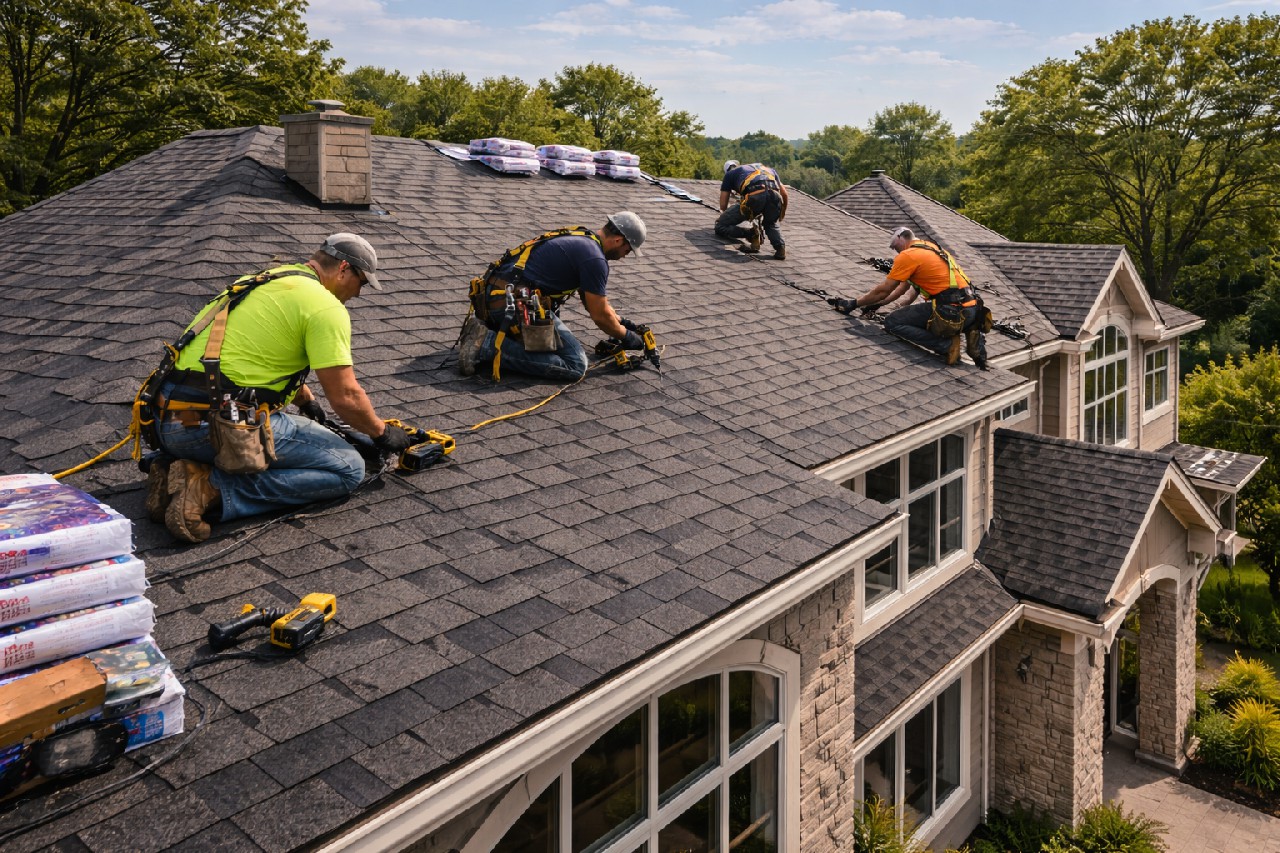
Riverside-Specific Threats: Heat, Wind, and Rain Damage Indicators
Riverside roofs take a beating from triple-digit heat that bakes shingles brittle. Look for granule loss on asphalt roofs, where you see bald spots exposing the underlayment. Cracked or curling edges scream replacement time.
Wind Whips from Santa Ana Gusts
Those fierce Santa Ana winds rip shingles loose and lift flashing. Check ridges for missing pieces or gaps wider than a finger. Bent or torn metal around vents means leaks incoming.
- Shingles with lifted tabs? Wind lifted them.
- Granules piling in gutters? Heat and wind combo attack.
- Flashing pulled away from chimney? Urgent fix needed.
Rain hits hard after dry spells, pooling where it shouldn't. Scan for dark streaks under ridges or along valleys, signs of poor drainage. Buckled tiles from water trapped underneath spell big trouble fast.
Case Study: How We Saved a Riverside Family from a Roof Collapse
Picture this: Maria and her two kids in East Riverside called us frantic last fall. After a fierce Santa Ana windstorm, she spotted buckled shingles and a sagging spot near the chimney. She ignored it at first, thinking it was just cosmetic wear.
We climbed up fast. What looked minor from the ground? Total disaster waiting to happen. Decayed rafters riddled with termite damage, hidden under the tiles from years of trapped heat and moisture.
The Shocking Reveals
- Missing flashing around the chimney let water seep in unchecked.
- Gutters clogged with debris funneled every drop straight to weak spots.
- Attic showed massive dark stains and mold creeping across insulation.
One big rain, and that roof would've caved. We ripped out the rotten sections, reinforced with new trusses, and topped it with impact-resistant tiles built for Riverside's brutal weather. Cost her under $12K instead of a full demo at $40K plus.
Maria sleeps sound now. Her big takeaway? Don't wait for the drip. Spot those signs we covered earlier, and call pros before small cracks turn catastrophic.
Final Thoughts
Your roof isn't just overhead protection. It's the frontline defense against Riverside's brutal weather swings. Catch issues now, and you slash those repair costs big time.
DIY checks give you a solid start. But for the full picture? Call in pros who know every quirk of local roofs.
We've spotted cracks others missed, preventing disasters before they hit. Dive deeper into our Roof Inspection services and book yours today. Sleep easy knowing your home's covered.
People Also Ask
How often should I inspect my roof in Riverside, CA?
In Riverside's harsh climate, inspect your roof at least twice a year—spring and fall—plus after major storms. Early detection of heat, wind, or rain damage prevents costly repairs. For thorough checks, schedule a professional inspection with a local Riverside roofing expert annually.
What are common signs of roof damage in Riverside homes?
Look for missing or curling shingles, granule loss from intense heat, and cracked flashing from wind gusts. Interior signs include water stains on ceilings or attic mold from poor ventilation. Riverside-specific threats like monsoonal rains amplify these issues, so act quickly to avoid leaks.
Can I perform a DIY roof inspection safely?
Yes, with proper tools like binoculars, a ladder, and safety harness, but avoid climbing steep or damaged roofs. Focus on visual exterior and interior checks as outlined in our guide. For steep pitches or safety concerns common in Riverside, hire certified professionals to prevent accidents.
When should I call a professional roofer for inspection in Riverside?
Call immediately if you spot significant shingle damage, chimney cracks, or persistent interior leaks. After high winds or heavy rains typical in Riverside, pros can detect hidden issues like soft spots or structural weaknesses. Regular pro inspections ensure compliance with local codes and extend your roof's life.
How much does a roof inspection cost in Riverside, CA?
Basic inspections range from $150 to $400, depending on roof size and accessibility. Free estimates are common from reputable Riverside roofers for potential customers. Investing in a detailed inspection saves thousands by catching problems early before they lead to full replacements.

Riverside Roofing provides roofing services to homeowners and businesses throughout Riverside, CA. With years of hands-on experience, the team handles installations, repairs, and maintenance with skilled attention to detail. Rooted in the local community, they address the specific needs of Riverside's climate and architecture.
Need Roofing?
Swift roof repairs and installations in Riverside, CA plus nearby areas (92501, 92503, 92504, 92505, 92507), delivering leak-proof protection and long-term durability fast.
Get Roof Quote